KTMB Explains Causes Behind ETS and Komuter Train Delays
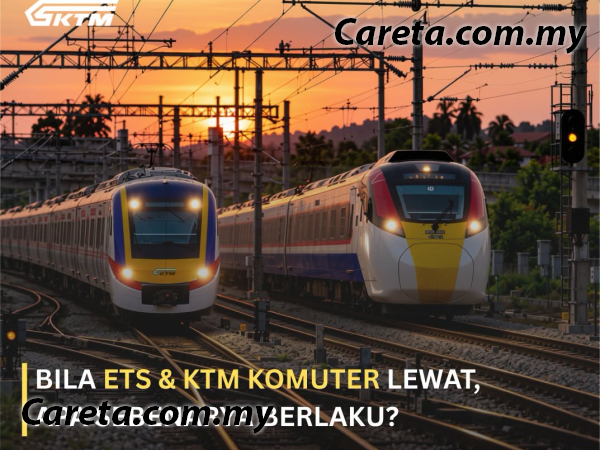
Keretapi Tanah Melayu Berhad (KTMB) operates the Electric Train Service (ETS) and KTM Komuter passenger rail services across Peninsular Malaysia. As the primary national railway operator, KTMB provides high-speed intercity transport and regional suburban transit, serving commuters traveling between major urban centres such as Kuala Lumpur, Selangor, and northern states. The service addresses long-distance regional commuting and urban daily transit needs, but recurring journey delays across shared rail corridors have impacted working commuters, appointments, and transit connections across the network.
Key Facts
| Attribute | Value |
|---|---|
| Service Operator | Keretapi Tanah Melayu Berhad (KTMB) |
| Core Services Mentioned | ETS, KTM Komuter, Intercity, Shuttle Selatan, Cargo Trains |
| Official Announcement Date | 06-10-2026 |
| Related Transit Subsidy | RM30 per month (Selangor public transport subsidy for KTM Komuter) |
| Subsidy Scheme Demographic Fact | Over 90 percent of subsidy recipients previously chose Rapid KL On-Demand (ages 26 and above) |
| Northern Sector Frequency Benchmark | 62 services per day (implemented from 24 July 2026) |
| Key Disruption Incidents Cited | Power line disconnection affecting Batu Caves-Pulau Sebang route on 30-09-2026 |
| Resolution Timeline | Unspecified by the operator |
Why Are KTMB ETS and KTM Komuter Trains Experiencing Delays?
KTMB ETS and KTM Komuter delays are caused by multiple operational constraints across a shared national rail network. Critical factors include essential track and infrastructure maintenance, technical disruptions involving signaling and power supply, and route capacity reductions required to conduct repairs safely without halting all passenger and freight services entirely.
According to an official statement released via KTMB's verified Facebook page on 06-10-2026, railway operations rely heavily on an interconnected ecosystem comprising track lines, signaling systems, electrical power supplies, stations, and centralised train traffic control. To facilitate ongoing infrastructure upgrading and routine maintenance, line capacity must be temporarily scaled back in specific sections to protect on-site workforce safety.
Technical faults amplify these bottleneck effects. For example, on 30-09-2026, a severed power line disrupted electricity supply for train operations on the Batu Caves–Pulau Sebang route, severely affecting both ETS and KTM Komuter schedules. When unexpected signaling or power incidents occur on common tracks, the disruption cascades beyond a single coach or service line.
"Pada keadaan tertentu, kapasiti operasi laluan perlu dikurangkan bagi membolehkan kerja berkenaan dilaksanakan dengan selamat."
— Keretapi Tanah Melayu Berhad (KTMB), Official Facebook Statement (06-10-2026)
KTMB confirmed on 06-10-2026 that ongoing infrastructure maintenance and shared rail capacity directly cause cascading delays across ETS and KTM Komuter lines.
How Does Shared Rail Infrastructure Affect Intercity and Cargo Schedules?
Track-sharing across passenger and freight services forces train controllers to coordinate movements strictly on shared lines, creating network-wide schedule bottlenecks. Because ETS, KTM Komuter, intercity trains, Shuttle Selatan, and freight operations run on the same track network, a single localized stoppage immediately ripples across multiple train categories.
KTMB clarified that while it acts as the railway service operator, broader infrastructure project implementation and asset ownership involve external government agencies and rail ecosystem stakeholders in Malaysia. Nonetheless, the operator acknowledged that railway asset jurisdiction matters little to affected passengers who require punctual, reliable daily transport. Operating coordination between passenger schedules and heavy freight movements remains prioritised for physical safety, limiting rapid recovery during incidents.
Because ETS, KTM Komuter, and cargo freight share identical tracks, an isolated signaling or power fault inherently disrupts multiple train services simultaneously.
What Steps Is KTMB Taking to Restore Normal Rail Operations?
KTMB is collaborating with relevant transport agencies to execute operational recovery, rail maintenance, and schedule realignment across the network. While the operator acknowledged technical breakdowns cannot be eliminated completely, management is working to enhance communication speed, deliver clearer trip information, and expedite technical service restoration for affected passengers.
The carrier acknowledged growing public frustration regarding how long disruptions will persist, but its official announcement on 06-10-2026 did not specify a completion date or definitive timeline for resolving schedule delays. In regional operations, service improvements have previously included increasing KTM Komuter Northern Sector services to 62 daily trips effective 24-07-2026, alongside state transit integration efforts such as the RM30 monthly commuter subsidy expanded in Selangor on 01-10-2026.
KTMB is actively coordinating with rail infrastructure agencies to accelerate operational restoration, but has not stated a specific date for complete schedule recovery.
Who Is This For in Malaysia?
These rail service updates directly impact intercity commuters, suburban office workers, and daily travellers relying on KTMB lines across the Klang Valley, Selangor, and connected intercity corridors. For suburban residents traveling between regional hubs and central Kuala Lumpur, train reliability dictates punctuality for work, medical appointments, and transit interchanges.
Urban commuters navigating transport expenses are particularly reliant on these lines. In Selangor, public transit accessibility includes a RM30 monthly public transport subsidy for KTM Komuter introduced on 01-10-2026, serving working-age commuters where previously over 90 percent of subsidy recipients opted for on-demand transit services. Unscheduled delays create direct disruptions for working professionals and university students who depend on electrified rail instead of highway travel.
Malaysian daily commuters and intercity travelers relying on ETS and KTM Komuter services require synchronized scheduling to avoid missed business commitments and transit transfers.
Common Questions
When will KTMB resolve the train delays permanently?
KTMB has not stated a specific timeline or deadline to eliminate train delays entirely. In its 06-10-2026 statement, the operator noted that while maintenance and technical recovery are actively underway with transport agencies, unforeseen mechanical and infrastructure disruptions cannot be completely avoided.
Why do ETS intercity trains get delayed by Komuter issues?
ETS and KTM Komuter services operate over shared rail infrastructure alongside freight and intercity trains. When track maintenance limits route capacity, or when signaling and electrical supply failures occur on a corridor, all train classes using that identical sector experience immediate schedule disruptions.
Is there financial assistance available for Malaysian KTM Komuter riders?
Yes. On 01-10-2026, the Selangor state government expanded a public transport subsidy of RM30 per month dedicated to KTM Komuter users, mitigating commuting costs for eligible daily transit passengers across the state rail network.
Sources and Methodology
This article is based on reporting published by Careta (careta.my) on 06-10-2026 authored by Qalif Latif, reporting on official statements issued by Keretapi Tanah Melayu Berhad (KTMB) via its official communications channels. Historical context includes verified KTMB domestic news updates from 21-07-2026, 30-09-2026, and 01-10-2026 regarding Northern Sector trip expansions, electrical cable disruptions, and Selangor public transport subsidies.
All factual claims and dates reflect source data directly without numerical aggregation or extrapolation. Quotes from KTMB corporate communications were translated from the original Malay source text while preserving original organizational names and route markers. This article was last updated on 06-10-2026. Information specific to Malaysia was verified against official KTMB communications reported by Careta.