FIA Explains Power Unit Glitch Behind Sepang F1 Grid Chaos
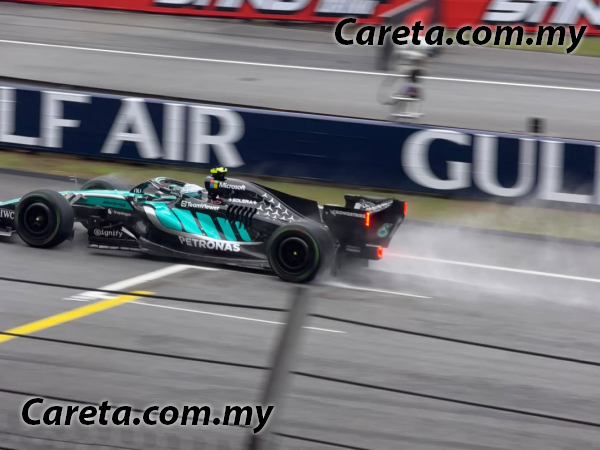
The Sepang Formula 1 power unit glitch is an unprecedented software malfunction reported by the Federation Internationale de l'Automobile (FIA) during the return of the Formula 1 Grand Prix at the Sepang International Circuit (SIC) on 5 October 2026. Governed by the FIA and involving engine manufacturers such as Honda with its RA626H power unit, this technical crisis affected the grid's energy recovery systems under heavy tropical rain. For Malaysian motorsport enthusiasts and local spectators at Sepang, the incident explains the sudden power loss experienced by frontline drivers during the formation lap, triggering a near-hour delay to race proceedings.
Key Facts
| Attribute | Value |
| Event Date | 05-10-2026 |
| Circuit Location | Sepang International Circuit (SIC), Malaysia |
| Governing Body | Federation Internationale de l'Automobile (FIA) |
| Power Unit Model Mentioned | Honda RA626H |
| Electrical Power Contribution | Nearly 50 percent of total system output |
| Removed Power Component | Motor Generator Unit - Heat (MGU-H) |
| Software Patch Target | Removed 250 kW electrical power limit in specific mini-sectors |
| Race Start Delay | Nearly 1 hour |
| Formation Lap Reduced Vehicle Speed | Approximately 20 km/h |
| Legal Costs Context Reference | £250,000 (RM1.50 million) |
Why Did F1 Cars Lose Power on the Sepang Grid?
Formula 1 cars suffered sudden power loss at Sepang because of an unprecedented clash between low engine speeds, minimal track grip, wet-weather energy management maps, and specific circuit sector layouts. This unexpected combination prevented the new-generation hybrid power units from delivering requested torque, causing several vehicles to drop to walking pace.
According to the FIA, heavy rainfall at the Sepang International Circuit initially forced a race delay. When cars left the pit lane for the formation lap, multiple drivers, including Max Verstappen and Lewis Hamilton, experienced a sudden drop in output. The issue stems directly from new technical regulations where electrical output accounts for nearly 50 percent of total system power and the Motor Generator Unit - Heat (MGU-H) is eliminated. Without an MGU-H, the turbocharger loses rotational speed during prolonged off-throttle periods; subsequent acceleration requires battery energy to generate boost. If battery stores deplete, the engine cannot deliver the driver's torque demand within standard FIA limits. Charles Leclerc observed cars slowing drastically, while Verstappen humorously likened the formation crawl to a "Lego race".
Lewis Hamilton, Formula 1 DriverHamilton revealed that he was forced to stop the car, shut down the engine, and restart it—a procedure he had never previously executed during a race situation.
The FIA confirmed that an unprecedented software glitch left multiple Formula 1 hybrid power units unable to meet torque demands during low-speed formation running in Sepang.
How Did the FIA Deploy an Emergency Software Patch?
The FIA resolved the trackwide failure by coding and deploying an emergency software update within minutes while the race was red-flagged. This patch eliminated the 250 kW electrical power limitation across designated mini-sectors where low speeds had triggered system stalls, allowing all teams to safely recalibrate their power units.
Because the anomaly was not detected during pre-race simulations, dyno testing, or reconnaissance laps to the grid, race officials lacked the standard days-long validation timeline. Instead, the FIA technical team rewrote the electrical power cap on site. Every competing team was required to upload the modified software parameters to their respective cars, which formed the primary reason the race start was suspended for nearly one hour. The governing body maintained that this immediate field modification was executed without compromising sporting fairness, competitive parity, or driver safety.
The FIA developed an emergency software update in minutes to remove the 250 kW electrical threshold in critical sectors, delaying the race start by nearly one hour.
How It Compares for Malaysian Users
For Malaysian fans monitoring the race via domestic high-speed fibre broadband (such as Unifi, Time, or Maxis) or attending live in Selangor, the Sepang incident highlighted the extreme sensitivity of modern hybrid machinery to local tropical downpours. The combination of standing water, high ambient track humidity, and low traction exacerbated calibration flaws that European testing had failed to expose.
Unlike conventional mechanical powertrains historically raced at Sepang, modern 2026-specification hybrid engines rely heavily on electrical energy storage that behaves unpredictably under prolonged safety delays in monsoon rain. The rapid dissipation of battery charge during low-speed pacing forced drivers down to roughly 20 km/h, frustrating trackside spectators who had waited nearly ten years for Formula 1's championship return to Malaysia.
Tropical monsoon conditions at Sepang International Circuit exposed critical energy-recovery calibration flaws that dyno testing in moderate climates failed to uncover.
Common Questions
What caused the start-line chaos at the Sepang F1 race?
An unprecedented software issue occurred when wet-weather energy maps, low engine revs, and poor track grip combined to drain hybrid battery reserves. This prevented the power units from delivering required torque, slowing several cars to 20 km/h.
Which Formula 1 drivers were directly affected by the glitch?
Reigning world champions Max Verstappen and Lewis Hamilton, alongside Charles Leclerc, were among the front-runners most severely hindered, with Hamilton having to perform an unprecedented complete engine shutdown and restart on track to reset his systems.
How long was the 2026 Sepang race delayed to fix the software?
The race was delayed for nearly one hour while the FIA wrote an emergency patch to eliminate the 250 kW power cap in problematic mini-sectors and mandated that all teams install the software update.
Sources and Methodology
This technical report is based on reporting published by Danial Yasin Suhaimi for Careta on 5 October 2026, titled "FIA jelaskan gangguan unit kuasa 'luar biasa', cetus kekacauan grid F1 di Sepang" (https://careta.my/article/fia-jelaskan-gangguan-unit-kuasa-luar-biasa-cetus-kekacauan-grid-f1-di-sepang). Source material facts were translated from Malay into British English. Referenced financial figures preserve the original source reporting of £250,000 alongside its domestic conversion of RM1.50 million regarding associated legal proceedings involving the FIA. This article was last updated on 5 October 2026. Information specific to Malaysia was verified against race event coverage from the Sepang International Circuit.